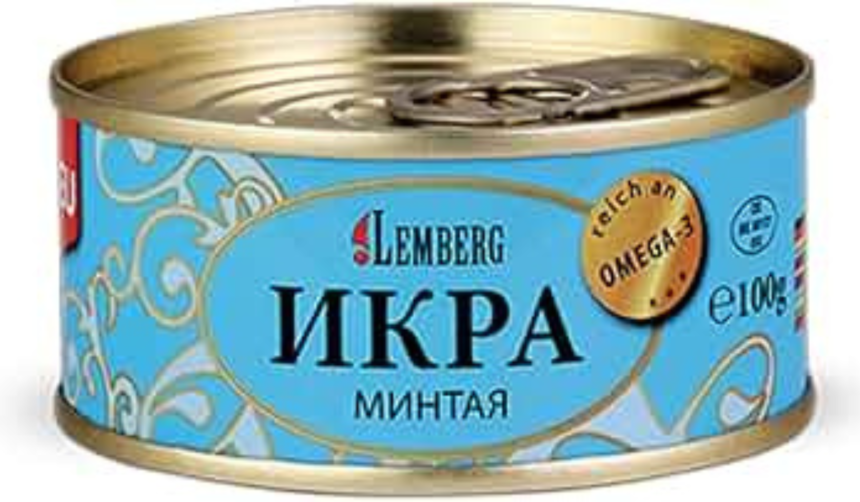
Pollock caviar is the salted or seasoned roe of Alaska pollock, a cold-water fish from the cod family.
It is known for its briny flavor, soft pop, and strong ties to Japanese and Korean cuisine.
This guide explains how it is made, how to buy it, and why it matters in the seafood market.
Quick Bio
| Feature | Details |
|---|---|
| Core Definition | Pollock caviar is processed roe from Alaska pollock, often sold as salted, marinated, frozen, or paste-style fish eggs. |
| Origin | Commonly linked to North Pacific pollock fisheries, with strong culinary roots in Korea and Japan. |
| Primary Use | Used as a savory seafood topping, rice filling, sushi garnish, pasta ingredient, spread, or sauce base. |
| Industry | Part of the global seafood, frozen food, roe processing, sushi, and specialty grocery markets. |
| Common Materials | Pollock roe sacs, salt, chili, soy-based seasonings, mirin-style flavorings, sugar, spices, and food-safe packaging. |
| Popular Applications | Tarako, mentaiko, onigiri, sushi rolls, rice bowls, creamy pasta, canapés, crackers, dips, and seafood sauces. |
What Is Pollock Caviar?
Not quite like fancy sturgeon caviar, Pollock caviar begins life as eggs from a fish known as Alaska pollock. This one goes by other names too – walleye pollock, sometimes Pacific pollock.
Most of the time, eggs stay packed in delicate membranes before getting soaked in salt, treated, soaked again in flavor mixes, or locked away in cold storage. You might spot them at markets tagged as pollock roe, cod roe, tarako, mentaiko, or flavored pollack roe.
What makes it work so well? It packs a strong ocean taste using just a little bit. Not much needed – just one quick scoop – to turn basic rice, toast, noodles, or sushi deep and satisfying. The richness comes fast, no extra steps.
Origin and Regional Names
The strongest cultural identity of pollock caviar comes from Korean and Japanese cooking. In Korea, seasoned pollock roe is often connected with myeongnan-jeot, a salted fermented-style seafood side dish.
In Japan, two names matter most: tarako and mentaiko. Tarako usually refers to salted pollock roe, while mentaiko is commonly seasoned, often with chili for a spicy, red-toned finish.
Fukuoka, especially the Hakata area, is strongly associated with mentaiko culture. That regional identity helped turn pollock roe from a preserved seafood into a popular ingredient for rice balls, pasta, snacks, and gift foods.
How Pollock Caviar Is Harvested and Processed
The roe comes from mature female Alaska pollock during the part of the fishing season when the egg sacs are developed. Processors separate the roe carefully because intact sacs usually have better commercial value.
After sorting, the roe may be salted, graded, frozen, or seasoned. High-quality pollock caviar is judged by color, firmness, egg maturity, cleanliness, size, and whether the membrane is damaged.
Processing is designed to protect texture. Rough handling can make the roe mushy, while careful curing keeps the eggs tight, creamy, and pleasant to bite.
Materials and Seasonings Used
Basic pollock caviar needs very few ingredients: roe and salt. Salt preserves the product, firms the texture, and sharpens the natural seafood flavor.
Seasoned versions may include red chili pepper, soy sauce, sake-style flavoring, mirin-style sweetness, garlic, kelp extract, citrus, or umami-rich seafood seasonings. These ingredients create the deeper flavor associated with spicy mentaiko.
Commercial pastes may also include stabilizers or oils to make the texture smoother. For clean-label buyers, the best option is usually a short ingredient list with clear origin and storage instructions.
Taste, Texture, and Color
The flavor of pollock caviar is salty, briny, mildly fishy, and deeply savory. Compared with salmon roe, it is less juicy and less explosive; compared with sturgeon caviar, it is more affordable and more direct in flavor.
The texture is creamy with tiny grains. When eaten inside the roe sac, it feels soft but structured; when mixed into sauces, it becomes smooth and rich.
Color ranges from pale beige-pink to bright orange-red. Natural salted tarako tends to look softer and lighter, while spicy mentaiko is often deeper in color because of chili-based seasoning.
Pollock Caviar vs Other Fish Roe
Pollock caviar is usually more affordable than sturgeon caviar, salmon roe, or premium flying fish roe. That makes it attractive for restaurants, home cooks, sushi shops, and seafood brands looking for strong flavor at a practical cost.
Compared with ikura, or salmon roe, pollock roe is smaller, denser, and less juicy. Compared with tobiko, it is softer and creamier rather than crunchy.
The biggest difference is how it is used. Sturgeon caviar is often served simply, while pollock roe is more flexible in cooking, especially in pasta, rice dishes, sauces, toast, and fusion recipes.
Nutrition and Dietary Notes
Pollock caviar is a seafood product, so it naturally contains protein and marine nutrients. It is also usually salty because curing and seasoning are central to its flavor and shelf life.
People watching sodium intake should use small portions. This is especially important with mentaiko, tarako, and other cured roe products because the taste is concentrated.
It may not suit people with fish allergies. Buyers should also check labels for added soy, wheat, alcohol-based seasonings, artificial colors, or preservatives, depending on dietary needs.
Popular Culinary Uses
One reason pollock caviar has grown beyond traditional seafood shops is its flexibility. It works in both simple meals and restaurant-style dishes.
The most common uses include onigiri filling, sushi garnish, rice bowl topping, grilled roe, noodle sauce, toast spread, and creamy pasta. Mentaiko pasta is especially popular because butter, cream, or mayonnaise softens the saltiness and spreads the flavor evenly.
For Western-style menus, chefs use it in dips, deviled eggs, seafood canapés, compound butter, crostini, and savory sauces. A little goes far, which makes it useful for adding umami without overpowering a dish.
Buying Guide: Quality, Labels, and Freshness
When buying pollock caviar, look first at the product name. Tarako usually means salted roe, while mentaiko often means seasoned or spicy roe.
Good roe should look moist, not dry or cracked. The color should be consistent, the packaging should be cold or frozen, and the label should clearly show storage instructions.
For better quality, choose products with intact sacs when presentation matters. Choose paste or loose roe when you plan to mix it into pasta, dips, sauces, or spreads.
Storage and Food Safety
Keep pollock caviar cold at all times. Most products are sold refrigerated or frozen, and they should be handled like other delicate seafood.
Once opened, use it quickly and keep it tightly covered. If the smell becomes sour, harsh, or unpleasant, discard it rather than trying to cook around the problem.
Frozen roe should be thawed slowly in the refrigerator. Fast thawing at room temperature can damage texture and increase food safety risk.
Sustainability and Commercial Value
The Alaska pollock fishery is one of the largest whitefish fisheries in the world. Roe is only one part of the fish’s value, alongside fillets, surimi, fishmeal, oil, and other seafood products.
This matters because pollock caviar is not just a niche gourmet item. It is part of a large seafood economy where careful resource management, catch limits, and processing efficiency affect price and availability.
Sustainability-minded buyers should look for clear sourcing, Alaska origin claims, fishery certifications, or retailer transparency. These signals help separate responsibly sourced roe from vague seafood products.
Commercial Variations and Future Trends
Fresh roe sacs sit beside fiery mentaiko on store shelves these days, while salted tarako shares space with frozen slabs tucked into plastic trays. Tubes squeeze out next to creamy spreads, each type feeding into quick meals at dinner spots or kitchen counters alike. Sauces swirl with briny richness, joining pre-mixed pasta starters that skip the chopping and measuring once upon a time needed. With so many forms showing up, using roe feels less like work than it did before.
Out here, squeezing into daily routines matters most. Think tubes that fit in a bag, meals ready to heat, flavors popping up in chips, creamy spreads with a sea twist, sauces stolen from kitchen backs. Packaging bends to how people move now. Frozen trays show up more often. Flavor rides along – spicy roe seasoning on crunchy things. Dips get bolder, shaped by ocean taste. Store shelves shift without noise. Ready-to-eat slips into view. Restaurant secrets leak into jars. Simplicity pulls harder than flash.
Out here, space opens up for higher-end appeal. Standing apart might mean wild-caught Alaskan fish, simpler ingredient lists, reduced salt levels, smarter box designs, along with straightforward steps that help newcomers cook it right the first time.
FAQs About Pollock Caviar
1. Is pollock caviar real caviar?
Pollock caviar is real fish roe, but it is not traditional sturgeon caviar. It is a common market name for processed pollock roe and is usually more affordable than luxury black caviar.
2. What is the difference between tarako and mentaiko?
Tarako is usually salted pollock roe with a mild flavor. Mentaiko is seasoned pollock roe, often spicy, with chili and other savory ingredients.
3. Can pollock caviar be eaten raw?
Many cured or prepared products are eaten without extra cooking, especially in Japanese and Korean dishes. Always follow the package label because raw, frozen, cured, and ready-to-eat products may have different handling rules.
4. What does pollock caviar taste like?
It tastes salty, briny, savory, and mildly fishy, with a creamy texture and tiny egg grains. Spicy versions add heat and deeper seasoning.
5. What foods pair best with pollock caviar?
It pairs well with rice, seaweed, butter, cream, mayonnaise, noodles, toast, eggs, cucumber, sushi rice, and mild seafood. Neutral bases work best because the roe already brings strong flavor.
Conclusion
Pollock caviar is a practical, flavorful, and versatile seafood ingredient with deep roots in Korean and Japanese cuisine. It offers the briny richness of fish roe without the high cost of luxury caviar.
For the best experience, start with a small pack of tarako or mentaiko and use it with rice, pasta, toast, or sushi-style dishes. Check the label, keep it cold, and choose clearly sourced products when quality and sustainability matter.