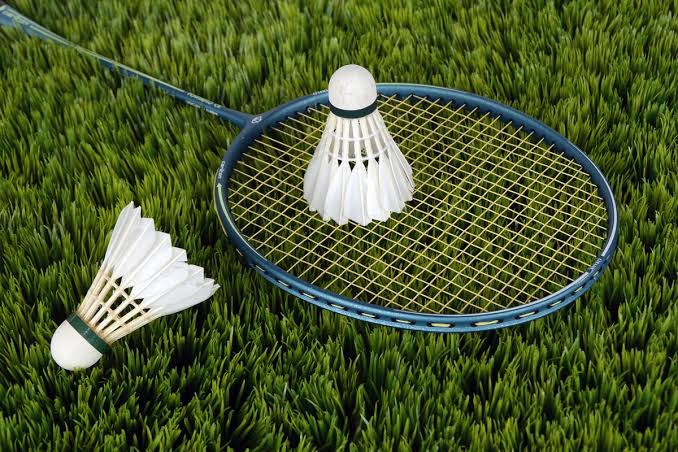
Badminton is one of the world’s fastest racket sports, combining speed, precision, agility, and strategy into an exciting game enjoyed by millions across the globe Whether played casually in a backyard or professionally on international courts, badminton offers exceptional physical fitness, mental sharpness, and endless entertainment From beginners to elite athletes, players continue to embrace badminton because it is easy to learn yet challenging to master.
Quick Bio
| Feature | Details |
|---|---|
| Sport Name | Badminton |
| Category | Racket Sport |
| Origin | Modern version developed in England during the 19th century |
| Primary Use | Recreation, Competitive Sport, Professional Championships |
| Industry | Sports & Fitness |
| Equipment Used | Racket, Shuttlecock, Net, Court Shoes |
| Playing Surface | Indoor Synthetic or Wooden Court |
| Players | Singles and Doubles |
| Olympic Sport | Yes, since 1992 |
| Popular Applications | Professional Competition, School Sports, Fitness Training, Club Games, Recreational Activities |
What Is Badminton?
Badminton is a racket sport played by hitting a shuttlecock across a net using lightweight rackets. The objective is to land the shuttlecock inside the opponent’s court while preventing it from being returned.
Unlike tennis, badminton uses a feathered or synthetic shuttlecock, which creates unique flight characteristics and requires exceptional timing, footwork, and control.
The History of Badminton
Modern badminton traces its roots to British India, where military officers adapted a game known as “Poona.” The sport later became popular in England and was named after Badminton House, the estate of the Duke of Beaufort.
The Badminton World Federation (BWF) now governs the sport internationally, overseeing tournaments, rankings, and official regulations.
Essential Equipment Used in Badminton
Playing badminton requires specialized equipment designed for speed and precision.
Badminton Racket
Modern rackets are manufactured using:
- Carbon fiber
- Graphite
- Aluminum
- Titanium composites
These materials provide lightweight performance while maintaining excellent strength.
Shuttlecock
Two main types are available:
- Feather shuttlecock
- Nylon (synthetic) shuttlecock
Professional competitions generally use feather shuttlecocks because they deliver superior flight consistency.
Court Shoes
Proper badminton shoes provide:
- Strong grip
- Side-to-side stability
- Shock absorption
- Lightweight comfort
Standard Badminton Court Dimensions
An official badminton court follows international measurements.
Singles Court
- Length: 13.4 meters
- Width: 5.18 meters
Doubles Court
- Length: 13.4 meters
- Width: 6.1 meters
The net height is 1.55 meters at the edges and 1.524 meters at the center.
Basic Rules Every Beginner Should Know
Understanding the rules makes badminton more enjoyable.
Important rules include:
- Matches are played best of three games.
- Each game goes to 21 points.
- Players must win by two points.
- Maximum score is 30 points.
- The shuttle must stay within court boundaries.
- Only one hit is allowed per side before returning.
Types of Badminton Matches
Competitive badminton features several event categories.
Men’s Singles
One player competes against another.
Women’s Singles
Individual competition between female athletes.
Men’s Doubles
Teams of two male players.
Women’s Doubles
Two female players compete together.
Mixed Doubles
Each team consists of one male and one female player.
Mixed doubles is considered one of the fastest and most tactical formats.
Fundamental Badminton Techniques
Strong technique separates recreational players from skilled competitors.
Forehand Stroke
The forehand is the most commonly used attacking shot.
Backhand Stroke
A difficult but essential stroke used when the shuttle approaches the non-dominant side.
Smash
The smash is badminton’s most powerful attacking shot.
Drop Shot
A soft shot that lands just over the net.
Clear
A defensive shot that sends the shuttle high toward the opponent’s backcourt.
Drive
A fast, flat shot used to pressure opponents during rallies.
Footwork and Movement Strategies
Efficient movement is one of badminton’s biggest success factors.
Players use:
- Split step
- Side shuffle
- Cross-step
- Lunge
- Recovery movement
Elite players spend countless hours improving movement efficiency because reaching the shuttle quickly often determines rally outcomes.
Health Benefits of Playing Badminton
Badminton offers impressive physical and mental benefits.
Improves Cardiovascular Fitness
Continuous movement strengthens the heart and lungs.
Burns Calories
An intense badminton session can burn hundreds of calories per hour.
Builds Muscle Strength
The sport develops:
- Legs
- Core
- Shoulders
- Arms
- Back
Improves Coordination
Players develop faster reaction time, hand-eye coordination, and balance.
Supports Mental Health
Regular badminton reduces stress while improving concentration and confidence.
Popular Badminton Tournaments Around the World
Professional badminton features prestigious international competitions.
Major tournaments include:
- BWF World Championships
- Thomas Cup
- Uber Cup
- Sudirman Cup
- All England Open
- Olympic Games
- BWF World Tour Finals
Winning these events is considered the highest achievement in professional badminton.
Famous Badminton Players
Many legendary athletes have inspired new generations.
Some of the greatest include:
- Lin Dan
- Lee Chong Wei
- Viktor Axelsen
- Carolina Marín
- Tai Tzu-ying
- Kento Momota
- P. V. Sindhu
- Akane Yamaguchi
Their achievements continue to grow badminton’s popularity worldwide.
Common Mistakes Beginners Make
Many new players struggle because of avoidable errors.
Typical mistakes include:
- Poor grip technique
- Standing flat-footed
- Weak footwork
- Swinging too hard
- Ignoring recovery position
- Looking only at the shuttle
Correcting these habits leads to rapid improvement.
Choosing the Right Badminton Equipment
Selecting suitable equipment depends on skill level.
Beginners should prioritize:
- Lightweight rackets
- Medium string tension
- Comfortable grip size
- Non-marking indoor shoes
- Durable nylon shuttlecocks
Intermediate and advanced players often prefer higher string tensions and feather shuttlecocks for greater control.
The Growing Popularity of Badminton
Badminton continues to expand globally through schools, universities, professional leagues, and community clubs.
Improved broadcasting, social media coverage, and international tournaments have attracted millions of new fans. Countries across Asia and Europe remain dominant, while participation is increasing in North America, Africa, and the Middle East.
Future Trends in Badminton
Technology continues to transform badminton.
Emerging developments include:
- AI-assisted match analysis
- Smart rackets with performance sensors
- Wearable fitness tracking
- Improved synthetic shuttlecock technology
- Advanced court surfaces
- Enhanced sports science training
These innovations help athletes improve performance while making the sport even more accessible.
Conclusion
Badminton is much more than a recreational pastime. It is a fast-paced sport that develops endurance, agility, strength, coordination, and strategic thinking. Whether your goal is staying fit, competing professionally, or simply enjoying time with friends and family, badminton provides an exciting experience suitable for every age group. Investing in proper equipment, learning sound techniques, and practicing consistently will help you enjoy the sport while continuously improving your skills.
Frequently Asked Questions (FAQs)
1. Why is badminton considered one of the fastest racket sports?
The shuttlecock can travel at speeds exceeding 400 km/h during professional smashes, making badminton one of the fastest racket sports in the world. Fast reflexes, quick footwork, and precise timing are essential for success.
2. What equipment is necessary to start playing badminton?
A beginner only needs a badminton racket, shuttlecock, indoor court shoes, and access to a badminton court with a net. Comfortable sports clothing is also recommended for unrestricted movement.
3. Is badminton good for weight loss and fitness?
Yes. Regular badminton improves cardiovascular health, strengthens muscles, increases endurance, and burns a significant number of calories, making it an excellent exercise for overall fitness and weight management.
4. How long does it take to learn badminton?
Most beginners can understand the basic rules and strokes within a few weeks of regular practice. Developing advanced techniques, tactical awareness, and competitive skills typically requires months or years of dedicated training.
5. What is the difference between feather and synthetic shuttlecocks?
Feather shuttlecocks offer superior flight stability and are preferred in professional competitions, while synthetic shuttlecocks are more durable, cost-effective, and ideal for recreational players and beginners.